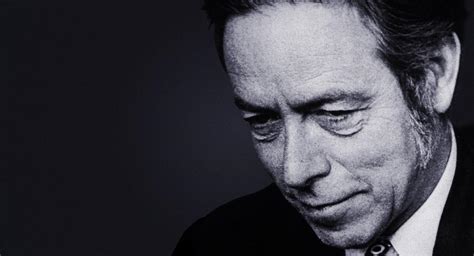
By virtue of a Facebook feed, I’ve become re-acquainted with the work of spiritual philosopher Alan Watts. Every day I now see a post by Alan Watts fans. I was particularly struck by how succinctly Watts described the continuous nature of our inner and outer environments, most palpably perceived through breathing. We do not only breathe in air but our whole environment in that we receive it consciously or unconsciously, and we do not only breathe out air but our whole inner environment in that we consciously let it go or it unconsciously leaves us. It is a matter of influence, of flowing into something. Everything without us is flowing into us, and everything within us is flowing into what is without.
Alan Watts’s quote also acts as a continual reminder that our natural environment as humans, as mammals, is nature, and it is strange to remember, writing on my laptop, that we are nature ourselves.
“But civilized human beings are alarmingly ignorant of the fact that they are continuous with their natural surroundings. It is as necessary to have air, water, plants, insects, birds, fish, and mammals as it is to have brains, hearts, lungs, and stomachs. The former are our external organs in the same way that the latter are our internal organs. If then, we can no more live without the things outside than without those inside, the plain inference is that the words “I” and “myself ” must include both sides. The sun, the earth, and the forests are just as much features of your own body as your brain. Erosion of the soil is as much a personal disease as leprosy, and many “growing communities” are as disastrous as cancer”
Source: Alan Watts, Does it Matter?, Essays on Man’s Relation to Materiality, New World Library, 2007